A recent HubSpot Marketing Report states that around 64% marketers are leveraging AI capabilities in some format or another. Then again, 38% report generating high ROI via AI-assisted campaigns. This shift is accelerating workflow, functioning as a trusted assistant for regular operations. The efficiency of AI tools has evolved and extends beyond content generation.
They help to automate workflows and narrow the gap between online performance and user outcomes. Choosing the right SEO company in Toronto can help to maintain visibility in search engines and drive sustainable growth online. This blog will discuss the usage of AI marketing tools that lead to better conversion rates.
What Is AI-Powered Marketing?
AI-powered marketing refers to the utilization of artificial intelligence to plan and execute campaigns, simultaneously optimizing based on data. The automation tools analyze user behaviour and predict outcomes for campaigns accordingly. It assists with large-scale analysis of data and continuous optimization to improve performance. The usage of these tools helps to reach your target audience right when they are searching for services or products relevant to your chosen niche.
Why ROI Matters in AI Marketing
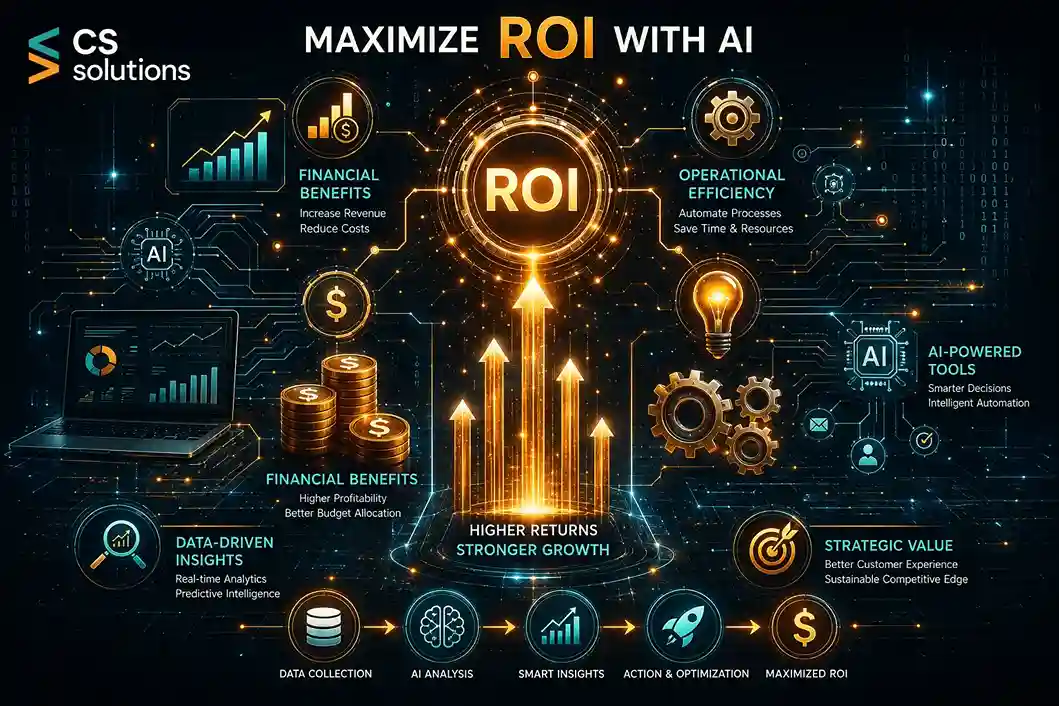
Return on Investment (ROI) in digital marketing is measured via the output delivered by AI. It determines whether AI is truly adding value or another layer of expense. Businesses invest in automation tools for campaign optimization, content generation, targeting the audience, and personalization. By tracking performance, businesses will be able to analyze the efficiency of AI tools.
Failing to measure ROI may lead to the creation of ineffective campaigns. Also, expensive AI platforms that employees barely use also indicate wastage of funds. ROI tracking helps businesses to compare costs against reduced workload, conversions, targeting accuracy, and higher profits. Upon careful monitoring, AI serves as a marketing asset that supports smarter budgeting decisions and aids organizations in generating real results.
How AI Improves Marketing ROI
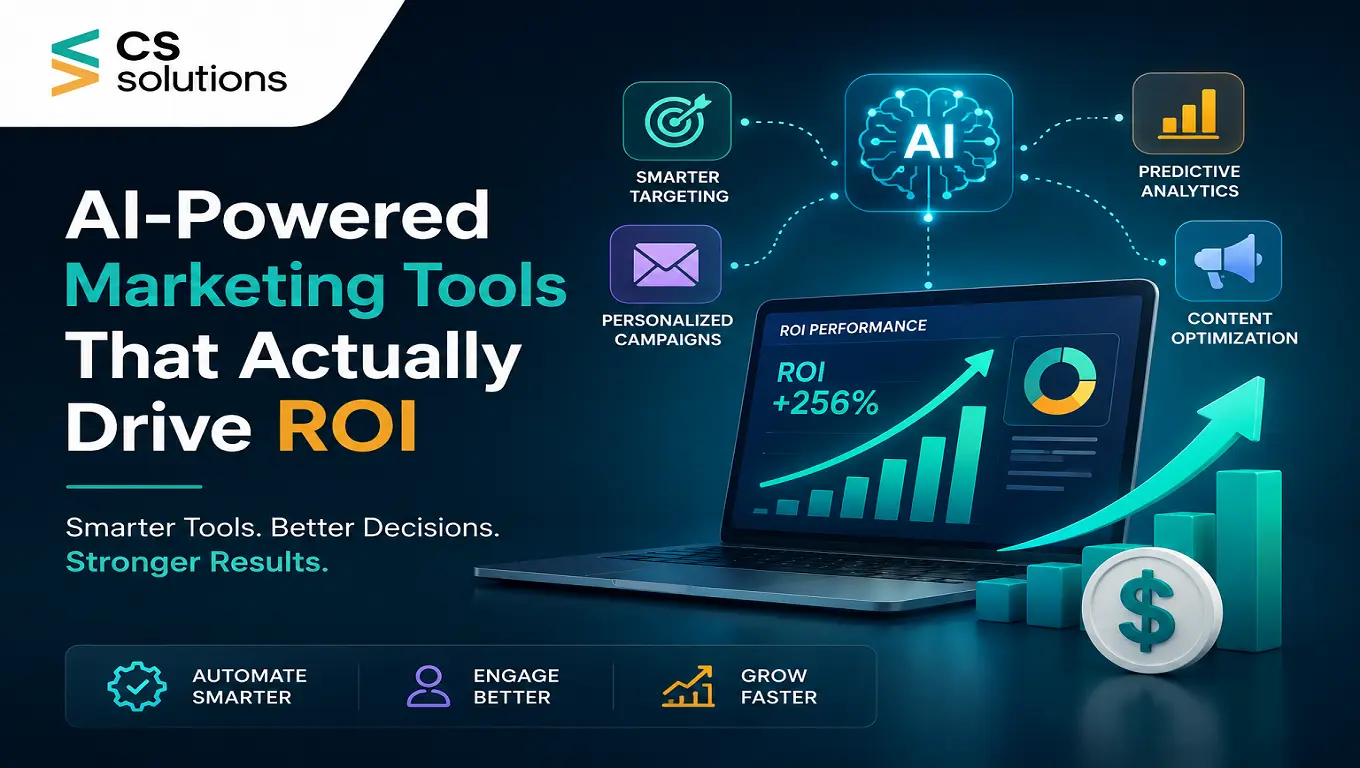
AI tools help to reduce waste and lift conversations across the funnel. Key ways how AI SEO services improves marketing ROI include:
- Better targeting through predictive models and behaviour-based segments
- Reduced wasted ad spend via real-time bid adjustments and audience pruning
- Higher conversion rates from personalization at scale and send-time optimization
- Lower labour costs by automating reporting, content drafts, and routine data entry
For instance, many email platforms with integrated AI capabilities analyze individual subscriber behaviour. In response, they send automated emails anticipating the exact time each person is likely to open emails. These tools observe user behaviour and send mass emails to everyone at the same time.
This contributes to increased click-through rates and overall campaign performance. This is just one feature of AI tools. The effectiveness of these systems depends on the quality of data that is in use and the configuration of AI tools. Weak strategy or poor data can exempt businesses from leveraging AI marketing ROI benefits.
Automate Your Marketing Smarter with AI-Driven Solutions That Scale ROI
Recent analysis of AI automation platforms has proven to reduce campaign setup time. Platforms like Marketo, HubSpot, and Zapier use AI models tools. These tools help automate workflow management and repetitive marketing tasks. They also help nurture leads and segment customers. This means the task that once took weeks to implement and launch can be completed within hours.
These tools pull from real-time data to sharpen personalization and push campaign performance further than manual efforts ever could. It’s building a system where data, customer experience, marketing, and SEO actually work together instead of running in parallel. A customized AI roadmap ties all of that to how your business operates today and where it needs to be twelve months from now.
Automate your online growth faster with conversion‑focused web solutions
Partner with CS Web Solutions for expert implementation and long-term success.
AI Marketing Tools That Actually Drive ROI
Not every AI tool lives up to the hype. Many just add unnecessary steps to the workday, creating more problems than they solve. But a few actually pull their weight. Based on practical daily use and reliable AI marketing software reviews, here are the platforms that turn basic automation into measurable revenue.
1. ChatGPT – Content & Automation
What it does:
A language model that turns simple text prompts into usable drafts and connects with other apps to automate routine, text-heavy tasks.
Key Features:
- Draft blogs, emails, and social updates fast.
- Brainstorm fresh angles when campaigns feel stale.
- Summarizes messy data dumps into clear takeaways.
How it drives ROI:
It helps with ideation that fills the blank page. Getting a rough draft instantly means teams spend their time editing rather than writing from scratch. Slashing the hours it takes to create content directly lowers production costs and boosts your AI marketing tools’ ROI.
Best Use Case:
Teams that need to produce a lot of content quickly but still want a human editor reviewing and refining the final output.
2. Jasper AI – Marketing Copy
What it does:
A specialized writing assistant built specifically to generate conversion-focused ad copy, emails, and landing pages that sound exactly like your brand.
Key Features:
- Trains directly on your specific brand voice guidelines.
- Offers ready-to-use templates for ads and sales emails.
- Includes team collaboration and approval workflows.
How it drives ROI:
Inconsistent messaging kills conversions. Jasper maintains a strict tone and produces copy designed to sell, resulting in fewer frustrating rewrites and much faster campaign launches. Getting campaigns live faster with better copy makes it one of the top AI tools that drive ROI.
Best Use Case:
Agencies and marketing departments managing high volumes of paid ads and landing pages, where getting the tone right is critical.
3. Surfer SEO – SEO Optimization
What it does:
Analyzes the top-ranking search results for any keyword and gives you a mathematical roadmap of exactly what words to use to outrank them.
Key Features:
- Live content scoring inside the text editor.
- Breaks down competitor word counts and headers.
- Ai powered SEO Audits older pages to find quick ranking wins.
How it drives ROI:
Guessing what search engines want is expensive and usually fails. Surfer removes the guesswork, helping content rank higher and pull in high-intent, organic traffic. Capturing free search traffic instead of paying for clicks makes it one of the best AI marketing tools available.
Best Use Case:
Content creators and SEO managers who rely on organic search traffic to consistently bring in leads without paying for ads.
4. HubSpot – Automation
What it does:
Combines customer tracking, email marketing, and AI into one hub. It watches how people interact with the website and automatically sends the right follow-ups.
Key Features:
- Predicts which leads are actually warm and ready to buy.
- Draft emails and blog posts automatically.
- Changes website content based on who is looking at it.
How it drives ROI:
Leads go cold when ignored. HubSpot tracks every touchpoint and nurtures prospects in the background. By handing the sales team warm, qualified leads instead of cold contacts, the path to revenue becomes clear, making it incredibly easy to prove your AI marketing tools’ ROI.
Best Use Case:
B2B companies and service businesses that want marketing and sales working from the same data to close deals.
5. Marketo – Enterprise Marketing
What it does:
A heavy-duty platform from Adobe built to manage massive, complex marketing campaigns and incredibly long, multi-stage sales cycles.
Key Features:
- Deep account-based marketing and predictive lead scoring.
- Tracks behaviour across ads, webinars, and emails.
- Connects smoothly with massive enterprise CRM databases.
How it drives ROI:
In enterprise sales, losing track of one lead can cost six figures. Marketo guides buyers through months-long journeys, ensuring high-value targets stay engaged. Plugging those massive pipeline leaks cements its status as one of the best AI tools that drive ROI for large companies.
Best Use Case:
Global organizations are managing incredibly long sales cycles, huge contact databases, and multiple product lines.
6. Zapier – Workflow Automation
What it does:
Acts as the invisible glue for the software stack. It connects thousands of different apps so they talk to each other without needing custom code.
Key Features:
- Connects tools using simple trigger-and-action rules.
- Builds multi-step paths with conditional logic.
- Recommends new automations based on current habits.
How it drives ROI:
Paying talented people to copy and paste data is a total waste of money. Zapier handles the busywork, moving leads and data instantly. Reclaiming hundreds of hours a month lets the team focus on strategy and growth, which is why it constantly tops AI marketing software reviews.
Best Use Case:
Zapier is ideal for lean teams juggling several tools without technical support. When forms, CRM, email, and chat all live in different places, Zapier quietly connects them. A prospect submits a form and everything else happens automatically: tagged, routed, notified, logged. No exports, no manual syncing. The stack feels coordinated, and the team can focus on decisions, campaigns, and clients instead of admin.
How to Choose the Right AI Marketing Tool
Figuring out how to choose AI marketing tool stacks requires looking past the hype and focusing on practical value.
- Business goals: Tie every software purchase to specific outcomes, such as lead generation or customer retention. If a platform doesn’t directly move your core metrics, skip it.
- Budget: A realistic AI tool buying guide accounts for hidden costs. Look beyond the basic subscription fee to factor in implementation, training, and ongoing maintenance.
- Integration: Your top AI tool selection criteria must prioritize connectivity. The system needs to share data seamlessly with your existing CRM and analytics to prevent information silos.
- Scalability: Ensure the underlying infrastructure can grow with your team. Verify how pricing and performance shift as your website traffic and contact lists expand.
Common Mistakes When Using AI Marketing Tools
AI can assist with more efficient marketing. However, without clear directions, it can contribute to common AI tool errors. This is why it is crucial to know what not to do with AI marketing tools. This will help businesses to invest in platforms that will return with enhanced ROI.
Over-automation
Too much automation dominates human expertise. This means you are relying on AI’s capabilities without human review, which can risk penalization and poor content quality. With over automations, campaigns can feel generic, and customers might feel disconnected from your service or intent. Depend on AI only for repetitive tasks to speed up execution. Your team should remain the decision-maker for every piece of content that guides the brand message and final decisions.
Poor data
Poor-quality data guides AI on wrong notions. That means if your CRM is not clarified or your analytics are incomplete, the tool will revert with poor output. This is one of the most common AI marketing mistakes that can risk your brand reputation. The results are less accurate, personalization feels flat, and reporting is distorted. Before initiating any marketing effort via AI, ensure your data is current and organized.
No strategy
Before defining the goal, businesses often invest in the purchase of AI tools. When it feels urgent, many teams consider using AI without knowing what success should really look like. Without planning a strategy, it will be difficult to measure the efficiency of the outcome. While you may be fulfilling tasks but may feel the difference in leads and conversions. Start with a clear objective and track results using specific KPIs.
Ignoring human input
AI works as a trusted ally to enhance human efficiency and assist with repetitive workflows. Using its capabilities as a human replacement can put your brand in trouble. The content can feel generic, and the brand message may not be up to the mark. It may offer technical precision but lacks the judgment and creativity that make content credible. The best results come from humans taking the final call.
Future of AI-Powered Marketing
In the near future (within two years), the landscape of AI marketing is expected to evolve from assisting marketers to operating autonomously. One of the most anticipated AI marketing trends will be to execute tasks within brand guidelines, following predefined rules. Marketing platforms will adjust bids, manage campaigns simultaneously and channel allocation in real time based on live performance data. Hyper-personalization is likely to be standardized for website experiences that adapt to individual user behaviour and context.
The future of AI marketing is shaping a new era where campaigns can automatically adjust based on customer behaviour and market trends. Predictive analytics will become more accessible to smaller businesses that help teams to forecast outcomes and make quick strategic decisions. Overall, the next-generation AI marketing ecosystem will focus on automation and continuous optimization to maximize ROI.
Conclusion
AI in marketing aids with the insightful creation of content across multiple platforms. These tools pay attention to conversations, human behaviour and handle automation intelligently. It helps businesses reduce spending on ads while offering personalized results to users. For any business, they represent a trustworthy partner in delivering relevance at scale.
They also function as strategists, offering insights on trends that support business outcomes. For generating meaningful ROI, you need a team that understands strategy, AI integration, and delivers tailored experiences to every customer. With 15+ years of experience in the industry, CS Web Solutions is here to help you rank and gain visibility in the competitive era. Contact us today to elevate your website presence.